
E-commerce
E-commerce Success Stories
Case studies of online stores that exceeded their revenue goals.
We use cookies to enhance your browsing experience and analyze our traffic. By clicking "Accept", you consent to our use of cookies. Learn more
Professional product photography techniques that boost sales.
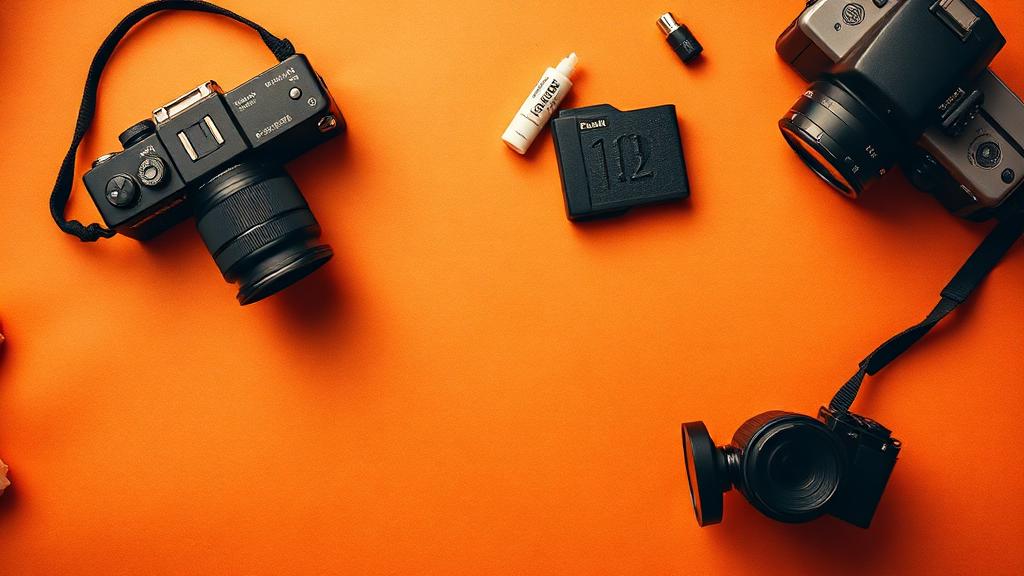
Product photography directly impacts e-commerce success. When customers cannot physically examine products, images become the primary tool for evaluating quality, understanding features, and building purchase confidence. Professional-quality product photography no longer requires expensive studios or specialized equipment. With proper technique and attention to detail, compelling product images are achievable for any budget.
Natural light provides soft, even illumination ideal for many products. Positioning products near large windows during overcast conditions eliminates harsh shadows while providing flattering illumination. Diffusing direct sunlight with curtains or translucent materials prevents hot spots while maintaining brightness. The consistency of natural light makes color accuracy easier to achieve.
Lightboxes create controlled environments for consistent product shots. These enclosed spaces diffuse light evenly from all angles, eliminating shadows and reflections that complicate photography. Commercial lightboxes range from inexpensive collapsible models to professional-grade studios. DIY alternatives using translucent materials can achieve similar results at lower cost.
Multiple angles give customers comprehensive views that build confidence. Standard angles include front, back, sides, top, and three-quarter views that show depth and dimension. Lifestyle shots showing products in use provide context that isolated shots cannot convey. Detailed close-ups highlight quality, texture, and features that matter for purchase decisions.
White backgrounds have become the e-commerce standard for good reason. They focus attention on products, enable consistent appearance across catalogs, and meet marketplace requirements that many platforms enforce. Seamless paper rolls or fabric create the infinite white background that professional catalogs feature.
High resolution enables the zoom functionality customers expect. Capturing at maximum resolution ensures that cropping and zooming remain sharp. While storage and bandwidth costs increase with resolution, customer experience benefits justify the investment. Modern cameras and smartphones capture more than adequate resolution for web display.
Proper exposure and white balance ensure accurate color representation. Overexposed images wash out detail while underexposed images hide features in shadow. White balance corrections ensure that whites appear truly white rather than tinted by ambient light color. These technical foundations enable the color accuracy that customers require.
Consistent framing across all products in a catalog creates professional cohesion. Establishing standard distances, angles, and compositions produces listings that feel curated rather than haphazard. Templates marking positions on your shooting surface help maintain consistency across sessions.
Lifestyle shots contextualize products in realistic settings. A lamp photographed on a table beside a book feels more understandable than the same lamp floating in white space. These contextual images help customers imagine products in their own lives, an imagination that drives purchase decisions.
Minimal editing preserves accuracy that customers depend upon. Heavy filtering or dramatic adjustments that make products look better than reality lead to returns and disappointed reviews. The goal of post-processing is consistency and accuracy, not enhancement that sets unrealistic expectations.
Color accuracy matters enormously for products where color influences purchase decisions. Clothing, cosmetics, home decor, and many other categories depend on accurate color representation. Calibrated monitors and consistent lighting enable color accuracy that customers can trust.
Background cleanup removes imperfections that shooting inevitably introduces. Dust, creases, or uneven lighting in white backgrounds distract from products. Clipping paths that isolate products enable flexible background treatment for different contexts.
Batch processing maintains consistency across large product catalogs. Applying identical adjustments to images shot under identical conditions produces uniform results efficiently. This consistency enables customers to compare products fairly based on their actual differences rather than photographic variation.
Quality product photography represents one of the highest-return investments in e-commerce success. Images that accurately represent products while presenting them attractively drive conversions, reduce returns, and build brand perception. The techniques are learnable and the equipment increasingly affordable, putting professional results within reach of any serious e-commerce operation.
Let's discuss how we can help bring your vision to life.