Design
Design Trends That Convert
UI/UX patterns that not only look beautiful but also drive user engagement.
We use cookies to enhance your browsing experience and analyze our traffic. By clicking "Accept", you consent to our use of cookies. Learn more

Filtedev
WE CARE
Most client portals feel like afterthoughts. Learn the design principles and technical patterns behind portals that drive adoption and reduce support tickets.
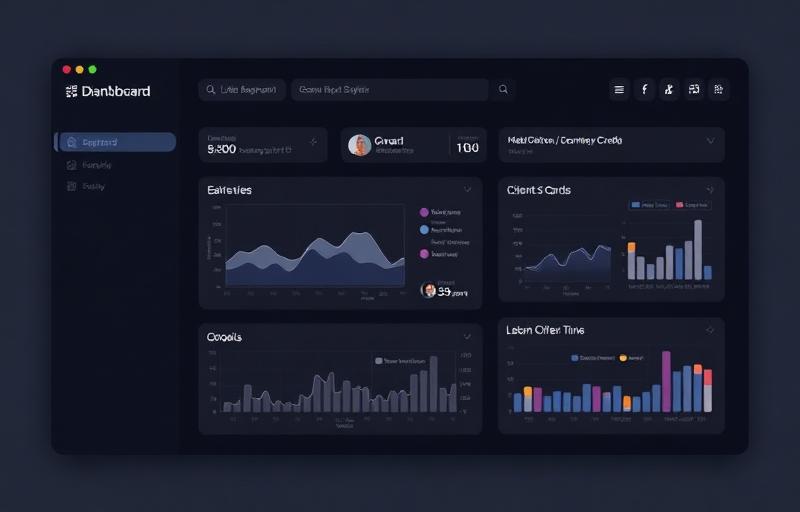
Most client portals are digital filing cabinets that nobody visits voluntarily. They exist because someone decided clients needed a login somewhere, but the design and experience received about as much thought as the average terms of service page. This is a massive missed opportunity.
A well-designed client portal transforms the client relationship. It reduces support inquiries, accelerates project timelines, increases transparency, builds trust, and creates a tangible sense of professionalism that justifies premium pricing.
The primary reason client portals fail is that they are designed around the company's data structure rather than the client's mental model. Clients do not think in terms of database tables, project IDs, or internal workflow stages. They think in terms of questions: What is happening with my project? What do you need from me? When will this be done? How much have I spent?
A portal that forces clients to navigate through multiple tabs, decipher internal jargon, and piece together information from scattered sources creates friction that drives people back to email, where they can simply ask their question in plain language and wait for a human response.
The most successful client portals share several design principles. They lead with status and context, showing clients immediately where things stand without requiring any clicks. They surface action items prominently, making it obvious when the client needs to provide something. They use progressive disclosure, presenting simple overviews with the ability to drill into detail for those who want it. And they communicate in the client's language, not the company's internal terminology.
Navigation should be minimal and intuitive. If a client needs more than two clicks to find any piece of information, the architecture needs rethinking. Search functionality should be robust and forgiving. Notifications should be timely but not overwhelming, with clear controls for preference management.
A portal that clients love using must also be a portal that is reliable, fast, and secure. This means investing in proper authentication with session management, role-based access controls that ensure clients see only their own data, real-time or near-real-time data synchronization with your internal systems, responsive design that works flawlessly on mobile devices, and performance optimization that ensures pages load instantly even with large data sets.
The integration layer is often the most challenging technical component. A great client portal pulls data from your project management system, your billing system, your communication tools, and your file storage into a unified, coherent experience. Building this integration layer well is what separates portals that deliver genuine value from those that become yet another system clients need to check.
UI/UX patterns that not only look beautiful but also drive user engagement.
Understanding the importance of designing for mobile devices first.
How colors influence user behavior and brand perception online.
Let's discuss how we can help bring your vision to life.