
Design
Designing Client Portals That People Actually Want to Use
Most client portals feel like afterthoughts. Learn the design principles and technical patterns behind portals that drive adoption and reduce support tickets.
We use cookies to enhance your browsing experience and analyze our traffic. By clicking "Accept", you consent to our use of cookies. Learn more
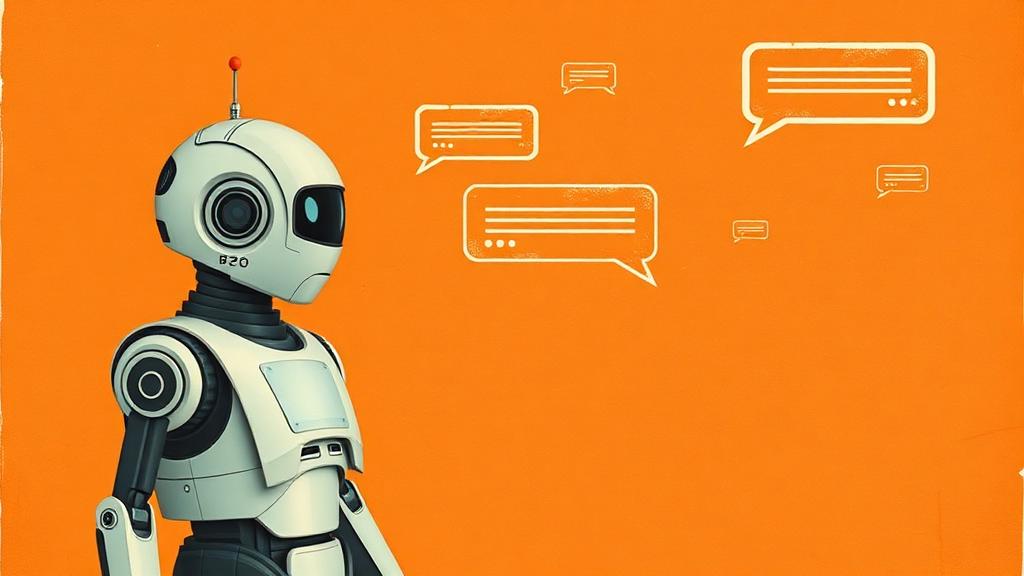
Design chatbots that improve customer service without frustrating users.
Chatbots can transform customer service by providing instant responses to common questions, qualifying leads, and handling routine transactions. When designed thoughtfully, chatbots reduce support burden while improving customer satisfaction. When implemented poorly, they frustrate users and damage brand perception. Success depends on understanding both capabilities and limitations while designing experiences that serve users genuinely.
Clear distinction between bot and human interactions prevents confusion and sets appropriate expectations. Users who believe they are talking to a human become frustrated when limitations appear. Transparent identification as a bot, combined with clear paths to human assistance, builds trust and manages expectations appropriately.
Natural conversation flow makes interactions feel effortless rather than mechanical. This means understanding varied phrasings of common questions, handling context across multiple messages, and responding in ways that feel conversational rather than scripted. While achieving human-like conversation remains challenging, aiming toward naturalness improves experiences.
Easy escalation to human agents acknowledges that bots cannot handle every situation. When users express frustration, ask complex questions, or explicitly request human help, seamless transfer to appropriate team members prevents abandonment. Escalation should preserve conversation context so users do not repeat themselves.
Helpful error handling recovers gracefully when the bot does not understand. Rather than cryptic error messages or loops, good error handling offers alternative phrasings, suggests related topics, or provides direct paths to human support. These recovery paths prevent dead ends that force users to start over.
Natural language processing enables bots to understand varied ways users express similar intents. Rather than requiring exact keywords, NLP extracts meaning from conversational input. The sophistication of NLP implementation directly affects how natural interactions feel and how effectively bots understand requests.
Contextual responses consider conversation history rather than treating each message in isolation. When a user asks about pricing after discussing a specific product, context-aware bots understand the implicit reference. This context management creates coherent conversations rather than disjointed exchanges.
Multi-channel integration extends bot capabilities across website chat, mobile apps, social media, and messaging platforms. Users expect consistent experiences regardless of how they interact. Centralized bot infrastructure with channel-specific adaptations enables unified service.
Analytics and learning systems track performance and enable improvement. Understanding which questions the bot handles well, where users abandon conversations, and what queries escalate to humans guides development priorities. Successful bots improve continuously based on observed interactions.
Over-promising capabilities leads to disappointment when reality falls short. Bots that claim to help with anything but understand little create frustration. Clear communication about what the bot can and cannot do sets realistic expectations that bots can then meet or exceed.
Setting clear expectations from the first interaction prevents confusion throughout the conversation. Welcome messages should explain the bot's purpose, capabilities, and limitations. This framing helps users interact appropriately and recognize when they need human assistance.
Providing escape hatches at every point ensures users never feel trapped. Options to restart, change topics, or connect with humans should always be available. Users who feel forced down paths they did not choose will abandon the interaction entirely.
Testing with diverse users reveals issues that internal testing misses. Different communication styles, varying technical sophistication, and unexpected questions all challenge bots in ways developers do not anticipate. Broad testing before launch and continuous monitoring after catch problems early.
Effective chatbot design treats technology as a means to serve users rather than an end in itself. The goal is not impressive AI but helpful service. Starting from user needs and working backward to technical requirements produces bots that actually improve experiences rather than just demonstrating capability.
Most client portals feel like afterthoughts. Learn the design principles and technical patterns behind portals that drive adoption and reduce support tickets.
UI/UX patterns that not only look beautiful but also drive user engagement.
Understanding the importance of designing for mobile devices first.
Let's discuss how we can help bring your vision to life.