
SaaS
SaaS Pricing Strategies That Maximize Revenue
Learn proven pricing models and tactics to optimize your SaaS revenue.
We use cookies to enhance your browsing experience and analyze our traffic. By clicking "Accept", you consent to our use of cookies. Learn more
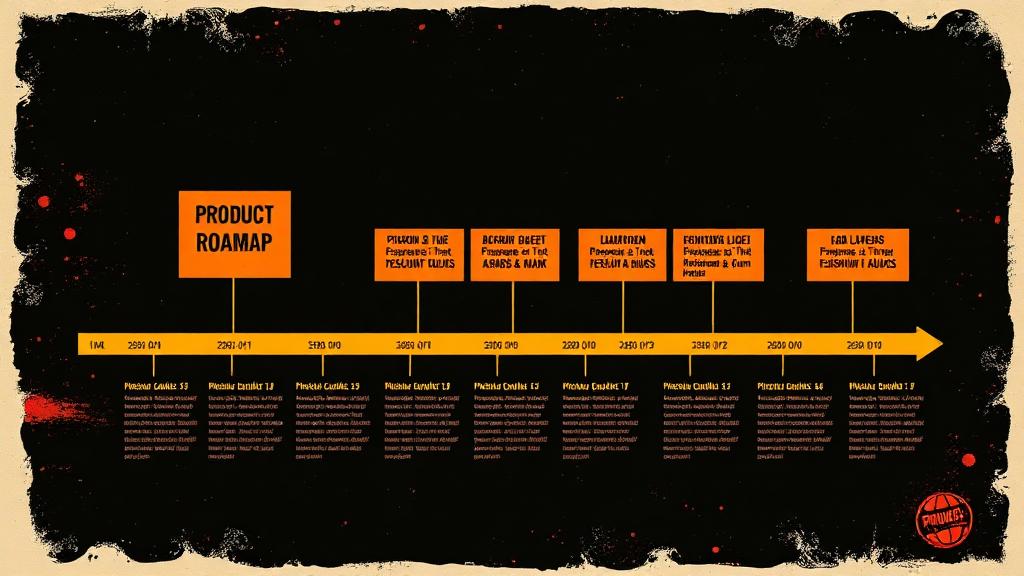
Align your team and communicate direction with a clear roadmap.
A clear roadmap aligns your team and communicates direction to stakeholders. Without a roadmap, product development becomes reactive and unfocused. A good roadmap balances strategic vision with flexibility to adapt as you learn. This guide covers how to create and manage an effective SaaS product roadmap.
Different roadmap formats serve different purposes.
Theme-based roadmaps organize work around strategic themes like "improve onboarding" or "enterprise expansion." This format communicates priorities without committing to specific features or dates.
Outcome-based roadmaps focus on goals and metrics rather than deliverables. Instead of committing to features, you commit to moving metrics.
Timeline-based roadmaps show what features will ship when. This format is specific and easy to understand but can create false precision about uncertain futures.
Now, Next, Later roadmaps group work by relative timeframe without specific dates. This provides direction while maintaining flexibility.
Choose the format that matches your planning style and stakeholder needs. Many companies use different formats for different audiences.
Roadmaps should reflect multiple perspectives.
Customer feedback and feature requests represent the voice of the customer. Track, categorize, and analyze feedback to identify patterns.
Sales team insights reveal what prospects ask for and what causes deals to stall or lose.
Support ticket patterns identify pain points and usability issues that affect customer satisfaction.
Competitive analysis shows what competitors are building and where gaps exist.
Strategic initiatives from leadership reflect company priorities and long-term vision.
Multiple frameworks help evaluate and prioritize potential roadmap items.
The RICE framework scores items based on Reach multiplied by Impact multiplied by Confidence divided by Effort. Higher scores indicate higher priority.
ICE scoring uses Impact multiplied by Confidence multiplied by Ease. Similar to RICE but simpler.
MoSCoW categorization classifies items as Must have, Should have, Could have, or Won't have. This creates clear priority tiers.
Value versus Effort matrices plot potential items on a two-by-two grid, identifying quick wins, major projects, fill-ins, and items to avoid.
Different audiences need different levels of detail.
Internal roadmaps for product and engineering teams can include detail and tentative timelines. These audiences understand that plans may change.
Customer-facing roadmaps should focus on themes and direction without specific dates. Committing publicly to dates creates problems when timelines slip.
Sales roadmaps highlight upcoming features relevant to deals in progress. Include only what you're confident will ship.
Investor roadmaps communicate strategic direction and demonstrate intentional planning without overwhelming detail.
Roadmaps are living documents that should evolve.
Review quarterly to assess progress and adjust priorities based on new information.
Respond to market changes when competitive moves, customer needs, or technology shifts require course correction.
Balance new features with improvements to existing functionality. Roadmaps shouldn't be entirely new features; maintenance and enhancement matter.
Communicate changes clearly when priorities shift. Stakeholders who understand the reasons for changes are more accepting than those surprised by them.
Learn proven pricing models and tactics to optimize your SaaS revenue.
Create onboarding experiences that drive activation and reduce churn.
Identify early warning signs and implement retention strategies that work.
Let's discuss how we can help bring your vision to life.