
SaaS
SaaS Pricing Strategies That Maximize Revenue
Learn proven pricing models and tactics to optimize your SaaS revenue.
We use cookies to enhance your browsing experience and analyze our traffic. By clicking "Accept", you consent to our use of cookies. Learn more
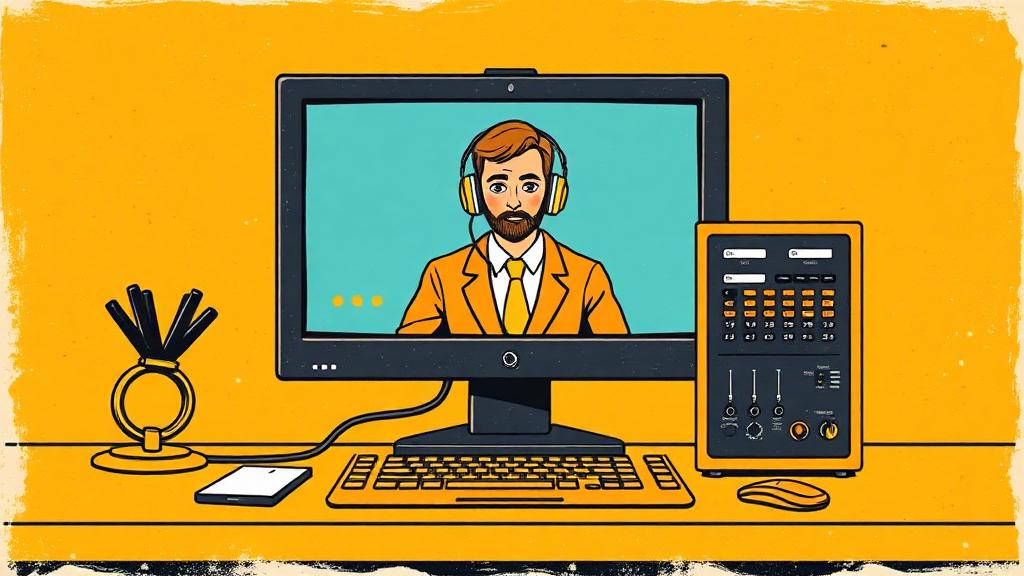
Succeed in virtual sales environments with proven techniques.
Remote selling has become the norm for SaaS companies. Even with the return of some in-person activities, the efficiency and reach of remote sales ensure it will remain central to SaaS go-to-market strategies. Mastering remote sales requires adapting traditional techniques for virtual environments.
Virtual demos require specific preparation and techniques.
Before the demo, test all technology including video, audio, screen sharing, and any tools you'll use during the presentation. Technical problems undermine credibility. Prepare a personalized deck and demo environment based on your research of the prospect. Send the agenda in advance so participants know what to expect.
During the demo, start with discovery questions to confirm you understand their situation and can tailor your presentation. Share your screen strategically, showing the product when demonstrating and returning to face-to-face video for discussion. Keep participants engaged by asking questions and encouraging interaction. Watch for visual cues that indicate confusion, interest, or skepticism.
After the demo, send a follow-up immediately while the conversation is fresh. Include a recording if possible, along with any materials referenced. Clearly state next steps and timeline.
Creating human connection without physical presence requires intentional effort.
Always turn on your video. Video calls feel more personal and build trust faster than audio-only calls. Encourage prospects to do the same.
Find personal common ground through small talk. Notice and comment on background elements, ask about their location, or reference shared interests.
Use the prospect's name frequently throughout the conversation. This simple technique increases engagement and personalizes the interaction.
Demonstrate genuine curiosity about their situation. Ask thoughtful questions and listen actively to responses.
Technical proficiency is table stakes for remote sales.
Know your video conferencing platform deeply. Be able to share screens, manage participants, handle chat, and troubleshoot common issues without fumbling.
Use screen sharing strategically. Know when to share and when to return to face-to-face video. Too much screen sharing feels like a lecture; too little feels like talking at someone.
Leverage digital whiteboarding for collaborative problem-solving. Visual collaboration tools can make remote meetings more interactive.
Have backup plans for technology failures. Know alternative tools, have phone numbers ready, and remain calm if things go wrong.
Master electronic signature tools to close deals quickly once agreement is reached.
Asynchronous selling uses non-real-time communication to move deals forward.
Video messages for follow-up are more personal than email text and more convenient than scheduling calls. Record quick personalized videos to answer questions or provide updates.
Recorded demos can be shared with stakeholders who couldn't attend live meetings. This extends reach and ensures consistent messaging.
Mutual action plans in shared documents keep deals on track with clear ownership and timelines visible to all parties.
Instant messaging channels like Slack or Teams provide quick answers without the overhead of scheduling calls. Meeting prospects where they already work reduces friction.
Learn proven pricing models and tactics to optimize your SaaS revenue.
Create onboarding experiences that drive activation and reduce churn.
Identify early warning signs and implement retention strategies that work.
Let's discuss how we can help bring your vision to life.