
Business
Custom Software vs Off-the-Shelf SaaS: When Building Your Own Makes Financial Sense
The build-vs-buy decision is more nuanced than most articles suggest. We break down the real cost calculus and when custom development pays for itself.
We use cookies to enhance your browsing experience and analyze our traffic. By clicking "Accept", you consent to our use of cookies. Learn more
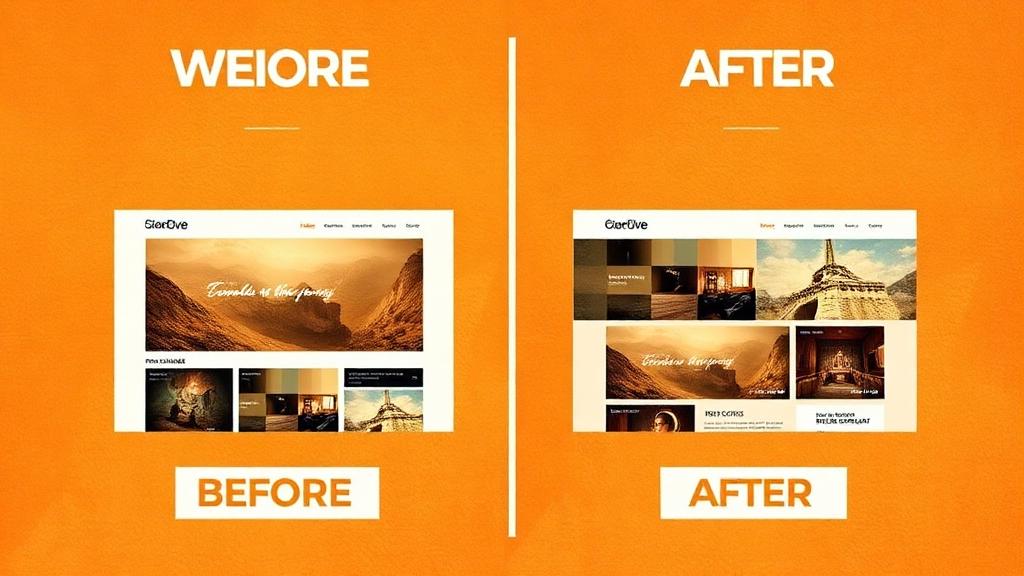
Strategic approach to redesigning your website without losing SEO value.
A website redesign represents one of the most significant investments an organization can make in its digital presence. When executed thoughtfully, a redesign reinvigorates brand perception, improves user engagement, and drives measurable business outcomes. When approached carelessly, it risks disrupting existing traffic, confusing loyal users, and wasting substantial resources. Strategic planning transforms redesign from a risky gamble into a structured process with predictable results.
The groundwork for a successful redesign happens long before any design work begins. A comprehensive audit of your current website reveals what is working and what needs improvement. Analytics data shows which pages attract visitors, where users spend their time, and at which points they leave. User feedback through surveys, support tickets, and direct interviews provides context that numbers alone cannot capture. This combination of quantitative and qualitative data creates a complete picture of the current state.
Defining clear goals and measurable key performance indicators ensures that the redesign serves business objectives rather than merely refreshing aesthetics. Goals might include increasing conversion rates, reducing bounce rates, improving search rankings, or enabling new functionality. Each goal should have specific, measurable targets that allow you to evaluate success after launch. Without defined success criteria, you cannot know whether the redesign achieved its purpose.
A content inventory catalogs every page, document, image, and media file on the current site. This inventory reveals content that can be migrated directly, content requiring updates, and content that should be retired. Many redesigns struggle when teams underestimate the effort required to address existing content. Starting with a complete inventory prevents unpleasant surprises during implementation.
Competitive analysis examines how similar organizations present themselves online. This research identifies industry conventions, opportunities for differentiation, and features that users might expect based on their experiences elsewhere. The goal is not to copy competitors but to understand the landscape in which your redesign will compete for attention.
User personas and journey maps translate research findings into actionable design direction. Personas represent the different types of users who visit your site, capturing their goals, frustrations, and behaviors. Journey maps trace the paths these personas take through your site, identifying pain points and opportunities for improvement. These tools keep user needs central throughout the design process rather than allowing stakeholder opinions to dominate decisions.
Wireframes should precede visual design, establishing information architecture and interaction patterns before colors, fonts, and images enter the conversation. Wireframes encourage focus on structure and usability, preventing premature debates about aesthetic details. Testing wireframes with users reveals navigation problems, missing content, and confusing layouts while changes remain easy and inexpensive.
Content migration deserves careful planning because content often makes or breaks redesign projects. Establishing content requirements early allows writers time to update, consolidate, or create material. Content frozen in an old format can delay launches and compromise quality. Treating content as a first-class concern rather than an afterthought avoids common pitfalls.
User testing throughout the redesign process catches problems before they become embedded in final designs. Testing prototypes, staging sites, and near-final implementations reveals issues that internal teams have become blind to through familiarity. External perspectives identify confusing navigation, unclear messaging, and broken functionality that insiders might overlook.
Launching a redesigned website marks the beginning rather than the end of improvement efforts. Close monitoring of analytics in the days and weeks following launch reveals how actual users interact with the new design. Traffic patterns, conversion rates, and user behavior may differ from expectations, requiring quick adjustments to address emerging issues.
User feedback channels should be prominent and accessible during the post-launch period. Some users will struggle with changes, and their feedback helps identify where additional guidance or refinements are needed. A responsive approach to user concerns builds goodwill and surfaces genuine usability problems that require attention.
Data-driven iteration transforms initial launch into ongoing optimization. A/B testing validates proposed improvements before full implementation. Heat maps and session recordings reveal how users actually interact with the interface. Regular analysis of metrics guides prioritization of enhancement efforts. This continuous improvement mindset maximizes return on redesign investment.
A successful redesign balances business objectives with user needs while preserving the SEO value built over time. Proper 301 redirects, updated sitemaps, and careful attention to URL structures protect search rankings during transition. The combination of strategic planning, user-centered design, careful implementation, and ongoing optimization produces redesigns that deliver lasting value rather than temporary excitement.
The build-vs-buy decision is more nuanced than most articles suggest. We break down the real cost calculus and when custom development pays for itself.
Automation ROI goes far beyond time saved. Learn how to measure the full impact including error reduction, scalability, and employee satisfaction.
Technical debt silently drains budgets and slows growth. Learn how to identify, quantify, and strategically address it before it becomes a crisis.
Let's discuss how we can help bring your vision to life.